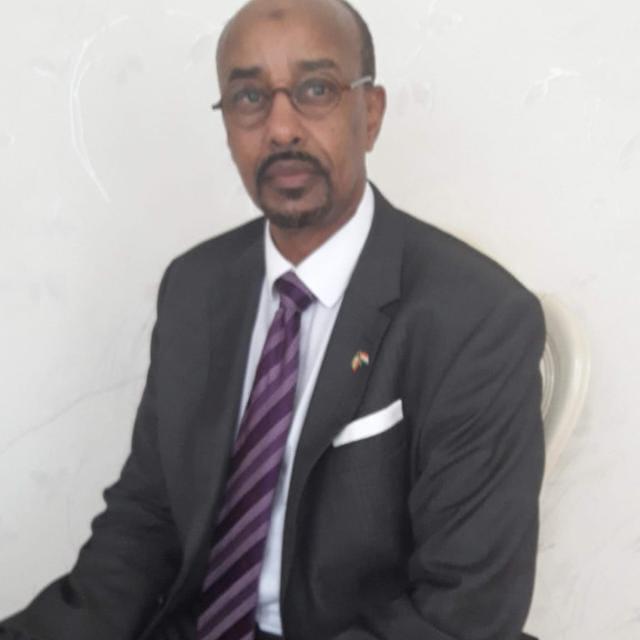
President
Head of State and Head of Government, elected by direct popular vote for a fixed term. The president is responsible for administration, foreign affairs, and national security.
Official Information Brief
to the Kingdom of the Netherlands
The Republic of Somaliland is a democratic and stable country in the Horn of Africa, strategically located along the Red Sea and the Gulf of Aden.
The Republic of Somaliland is a democratic and stable country in the Horn of Africa, strategically located along the Red Sea and the Gulf of Aden.
Its government combines a directly elected president, a two-chamber parliament, and recognized traditional community structures. This system delivers broadly supported policy, social stability, economic growth, and international cooperation.
Somaliland's government unites democratic institutions with traditional structures:
Head of State and Head of Government, elected by direct popular vote for a fixed term. The president is responsible for administration, foreign affairs, and national security.
Consists of the House of Representatives and the House of Elders (Guurti). Parliament exercises sovereign power, oversees the executive, and safeguards democratic principles and national priorities.
The Constitution sets a clear separation between the executive and legislative branches. This keeps the institutions in balance.
Local councils and customary institutions mediate conflicts, represent communities, and give the government social legitimacy.
This is how Somaliland maintains stability and effective governance in a complex region.
For centuries, Somaliland was a center of international trade, with links to Ancient Egypt, the Roman world, the Arabian Peninsula, and South Asia. Traders shipped frankincense, myrrh, ivory, hides, and resins across the Red Sea and the Indian Ocean.
The arrival of Islam and later Ottoman influence expanded commercial and cultural exchange. The coastal city of Zeila in particular grew into a center of trade and diplomacy with the Middle East, North Africa, and South Asia.
In 1884, Somaliland became a British Protectorate after agreements with local clan leaders. The British administration focused mainly on protecting maritime trade routes.
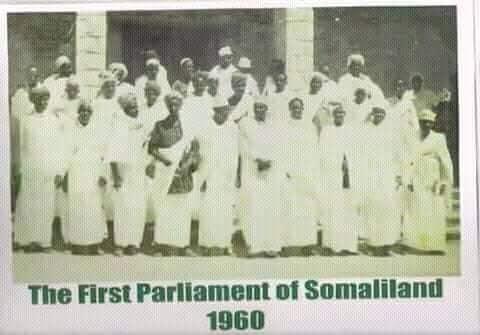
On 26 June 1960, Somaliland gained independence from the United Kingdom. 35 states recognized the country. Shortly afterwards, it voluntarily joined the former Italian Somaliland to form the Somali Republic.
Following the collapse of Somalia, Somaliland proclaimed the restoration of its independence on 18 May 1991.
Somaliland now has a population of about six million. The country runs functioning government institutions, security services, and a civil administration, making it a stable partner in the Horn of Africa.
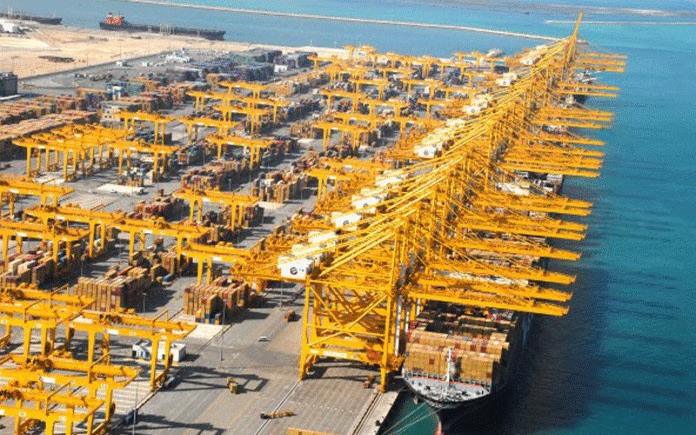
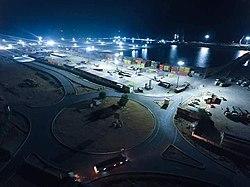
The Port of Berbera has a 250,000 m² terminal and is Somaliland's main logistics and commercial gateway. The port strengthens regional connectivity, opens trade routes to East Africa, and supports international trade.
Somaliland offers a transparent legal framework, stable governance, and investment opportunities in four strategic sectors:
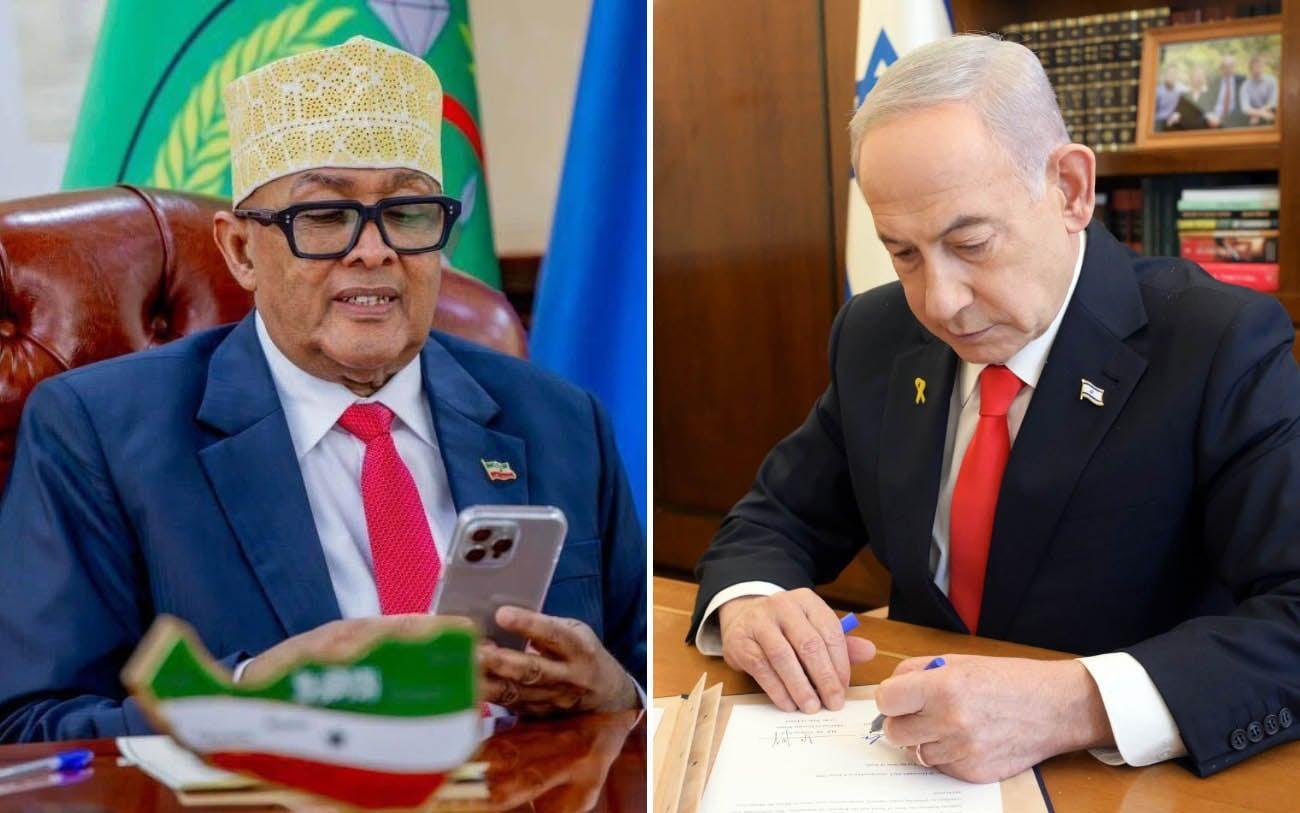
26 December 2025
On 26 December 2025, Israel became the first United Nations Member State to officially recognize Somaliland as an independent country.
The step aligns with the Abraham Accords and shows the international community that Somaliland is a stable and strategic partner. Major global powers and other influential nations are expected to follow Israel's example soon. That further strengthens Somaliland's diplomatic, economic, and security position.
This recognition has led to cooperation in the following areas:
Somaliland actively involves its diaspora in national development: youth programmes, professional training, and knowledge transfer. This strengthens governance and the capacity of its institutions.
Somaliland works with states across Europe, North America, Africa, the Middle East, and Asia, and with international organizations and NGOs. These relations support democratic governance, economic development, and regional security.
Somaliland has a rich cultural heritage and natural attractions:
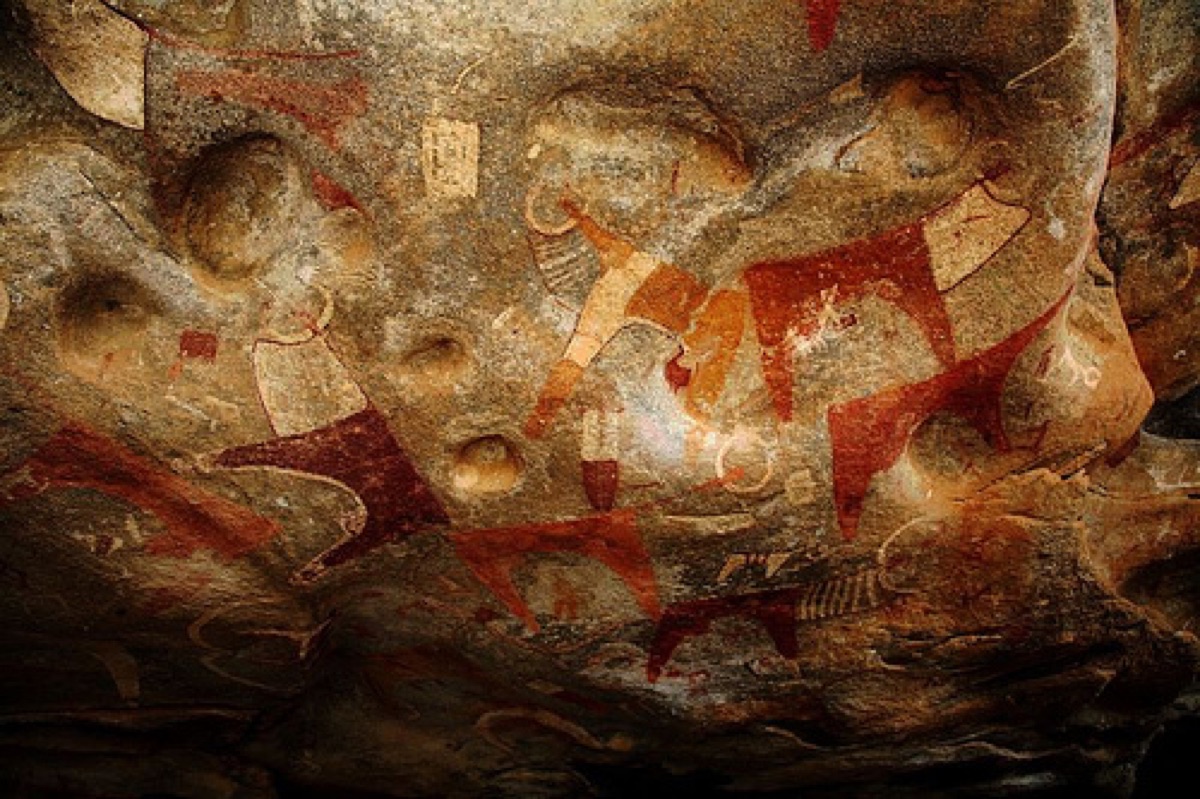 Laas Geel rock art
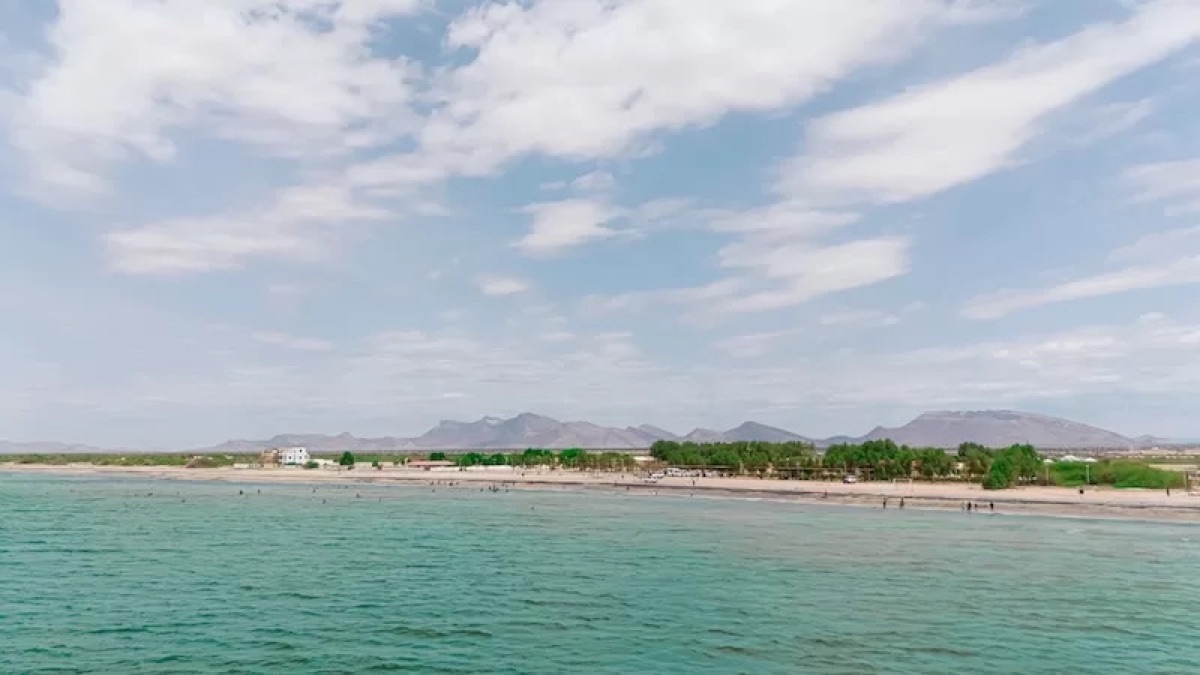 Berbera coastline
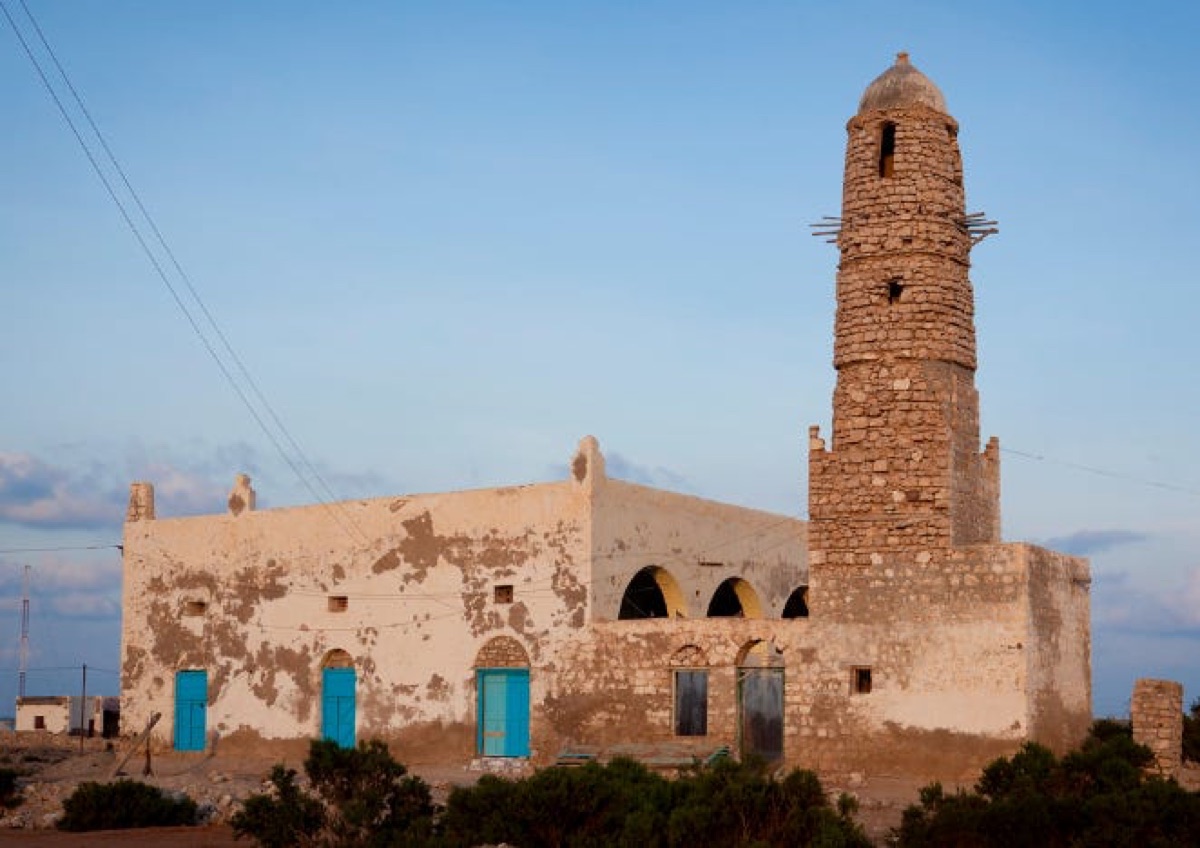 Historic city of Zeila
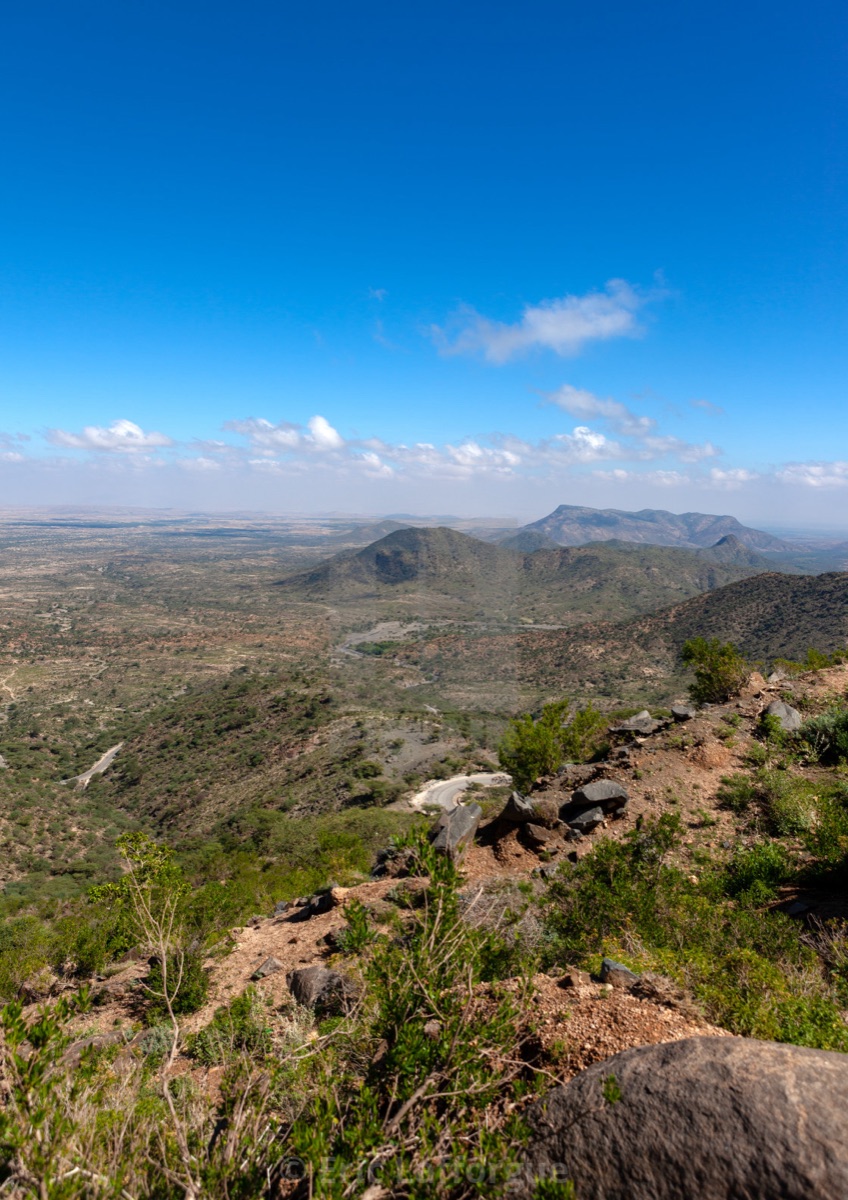 Mountain and natural landscapes
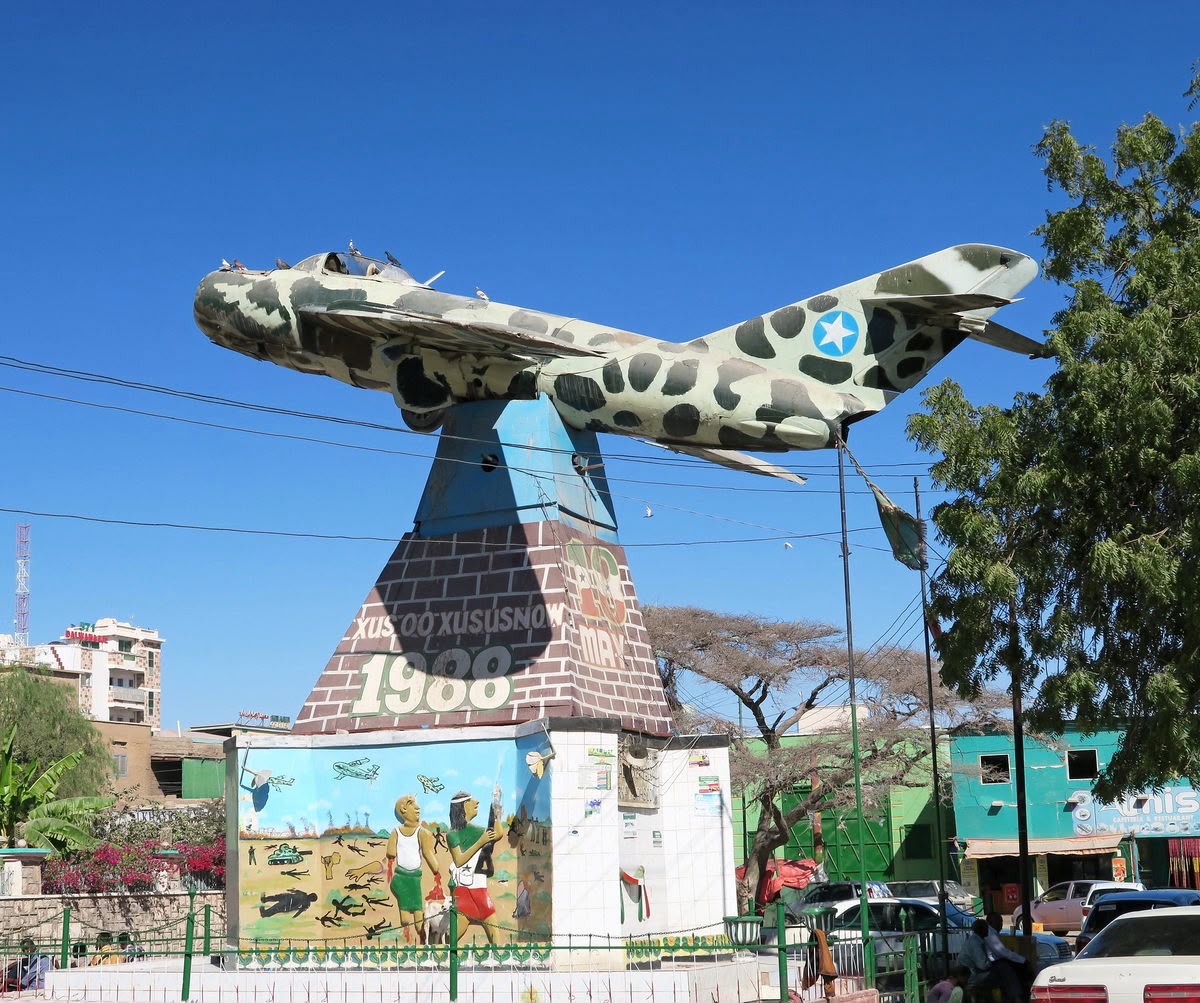 Cultural centres in Hargeisa
Somaliland is committed to:
The Representative Office of the Republic of Somaliland in the Kingdom of the Netherlands invites governments, international organizations, investors, and the diaspora to work together on sustainable development, economic growth, and regional security. Somaliland is a stable and reliable partner in the Horn of Africa.
Want to know more about Somaliland's foreign policy?
Visit the Ministry of Foreign Affairs